
Choosing between the old and new tax regime is one of the most important financial decisions for taxpayers in India. With changes introduced in recent years, many individuals and business owners are confused about which option is better.
Understanding the difference between old vs new tax regime can help you reduce your tax liability and make smarter financial decisions.
What is the Old Tax Regime?
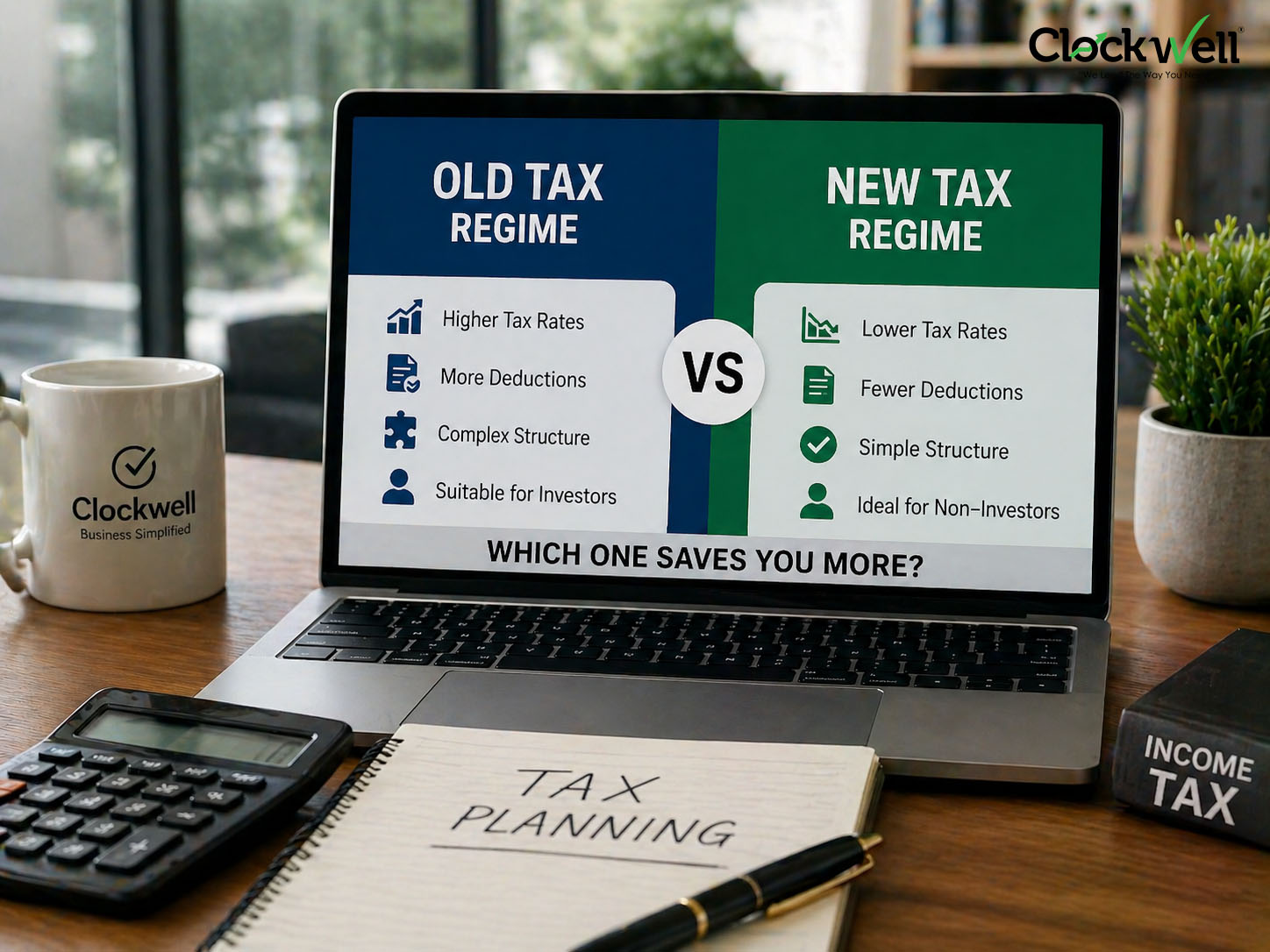
The old tax regime follows the traditional income tax structure, where taxpayers can claim multiple deductions and exemptions.
Key Features:
- Higher tax rates
- Multiple deductions available
- Suitable for those with investments
Common Deductions:
- Section 80C (LIC, PPF, ELSS)
- HRA (House Rent Allowance)
- Standard deduction
- Medical insurance (80D)
This regime rewards disciplined investors.
What is the New Tax Regime?
The new tax regime was introduced to simplify taxation by offering lower tax rates but removing most deductions.
Key Features:
- Lower tax rates
- Minimal deductions
- Simple structure
This regime is now the default option for taxpayers.
Tax Slabs Comparison
Old Tax Regime:
- Up to ₹2.5 lakh: Nil
- ₹2.5–5 lakh: 5%
- ₹5–10 lakh: 20%
- Above ₹10 lakh: 30%
New Tax Regime:
- Up to ₹3 lakh: Nil
- ₹3–6 lakh: 5%
- ₹6–9 lakh: 10%
- ₹9–12 lakh: 15%
- ₹12–15 lakh: 20%
- Above ₹15 lakh: 30%
The new regime offers more gradual tax slabs.
Key Differences – Old vs New Tax Regime
| Feature | Old Regime | New Regime |
|---|---|---|
| Tax Rates | Higher | Lower |
| Deductions | Available | Mostly not allowed |
| Complexity | Higher | Simple |
| Default Option | No | Yes |
Which Regime is Better for You?
The answer depends on your income, expenses, and investment habits.
Choose Old Tax Regime if:
- You invest heavily in tax-saving schemes
- You claim HRA, deductions, and exemptions
- You have home loan interest benefits
👉 Best for salaried individuals with structured finances
Choose New Tax Regime if:
- You don’t have many deductions
- You prefer a simple tax system
- You want lower tax rates without investments
👉 Best for freelancers, startups, and new earners
Example Comparison
Let’s understand with a simple example:
If your income is ₹10 lakh:
- Under old regime (with deductions): Lower tax if deductions are high
- Under new regime: Lower tax if deductions are minimal
👉 The right choice depends on how much you invest and claim.
Common Mistakes to Avoid
Many taxpayers make wrong decisions due to lack of understanding.
- Choosing default regime without calculation
- Ignoring deductions under old regime
- Not comparing both options properly
- Changing regime without planning
Always calculate before choosing.
Tips to Choose the Right Regime
- Calculate tax under both regimes
- Consider your investments and expenses
- Think about long-term financial planning
- Take expert advice if needed
A smart choice can save thousands in taxes.
Impact on Businesses and Professionals
For business owners and freelancers, the new tax regime often works better due to fewer deductions and simpler compliance.
However, those with structured expenses and investments may still benefit from the old regime.
How Clockwell Can Help
Choosing between old vs new tax regime can be confusing. A wrong decision can increase your tax burden.
Clockwell provides:
- Tax calculation and comparison
- Income tax filing support
- Personalized tax planning
- Business tax advisory
With expert guidance, you can choose the best regime and save more.
Understanding old vs new tax regime is essential for effective tax planning. Both regimes have their own advantages, and the best option depends on your financial situation.
By comparing both carefully and planning ahead, you can reduce your tax liability and manage your finances better.
Making the right choice today can lead to significant savings in the future.
Published on April 28, 2026