
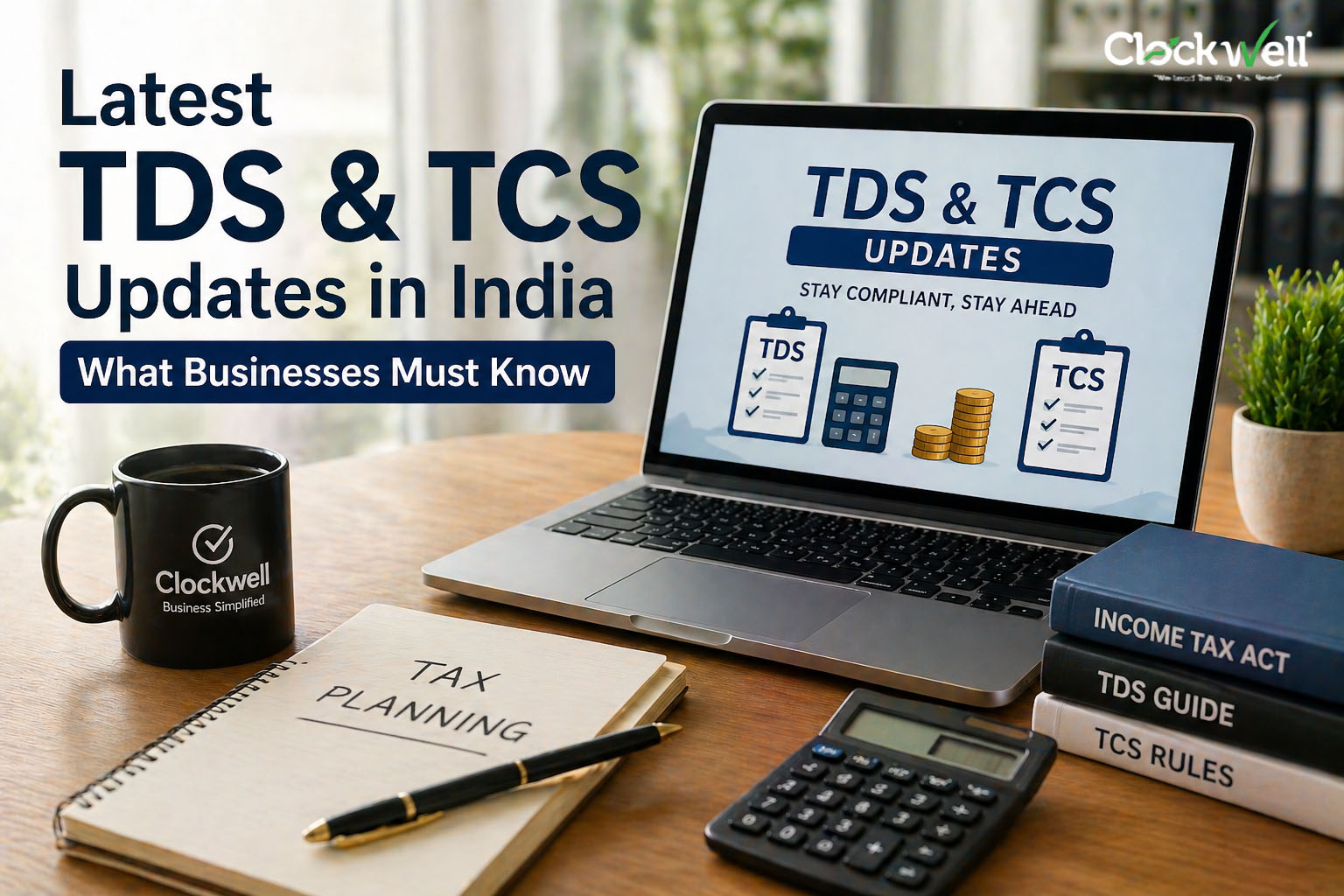
Recent changes in TDS (Tax Deducted at Source) and TCS (Tax Collected at Source) have significantly increased the importance of accurate tax compliance for businesses and individuals. These updates are part of the government’s effort to improve transparency, track financial transactions, and reduce tax evasion.
Understanding these changes is essential to avoid notices, penalties, and unnecessary complications.
Stricter Compliance Requirements
The income tax department has tightened compliance rules related to TDS and TCS. Businesses are now expected to:
- Deduct and deposit TDS on time
- File TDS returns accurately without errors
- Maintain proper documentation for all transactions
Even small mismatches or delays can trigger notices or penalties. This makes proper accounting and timely filing more important than ever.
Higher TCS on Foreign Transactions
One of the major updates is the increase in TCS rates on certain foreign transactions under the Liberalised Remittance Scheme (LRS).
This applies to:
- Foreign travel expenses
- Overseas investments
- International purchases
Higher TCS means more upfront tax outflow, which can impact cash flow. However, this amount can be claimed as credit while filing income tax returns.
Improved Tracking Through AIS
The introduction and enhancement of the Annual Information Statement (AIS) has made tax tracking more advanced.
AIS now captures:
- TDS and TCS details
- Bank transactions
- Investment income
- Foreign remittances
This means the income tax department has a complete view of your financial activities. Any mismatch between your return and AIS data can result in notices.
Impact on Businesses
These updates directly affect how businesses manage their finances.
Key impacts include:
- Increased responsibility for accurate reporting
- Need for regular reconciliation of TDS/TCS data
- Greater importance of maintaining clean financial records
Businesses must adopt better systems and processes to stay compliant.
How to Stay Compliant
To avoid issues related to TDS and TCS:
- File returns before deadlines
- Reconcile data with AIS regularly
- Maintain proper invoices and records
- Ensure correct deduction rates
- Seek professional support when needed
TDS and TCS updates are not just regulatory changes—they reflect a shift towards stricter and more transparent tax systems. Businesses that adapt quickly and maintain accurate records will face fewer issues and operate more smoothly.
Proper compliance is no longer optional; it is essential for avoiding risks and ensuring long-term stability.
Published on April 27, 2026